
How to localise a global campaign for every market — without reshooting it
You've shot a beautiful hero campaign. It tested well, the brand team loves it, and now it needs to run in twelve markets. That's where the maths stops working: every market wants local talent, a local setting, local copy — and the traditional answer is a reshoot, a local production partner, or a compromise. Reshoots multiply the budget. Local partners multiply the coordination. And the compromise is usually subtitles over footage that everyone can tell was made somewhere else.
There is now a fourth option: treat the campaign as a system of components and regenerate it per market, using AI production workflows anchored to your original creative.
Why translation isn't localisation
Swapping the voiceover and headline is the cheapest path, and audiences see through it instantly. What actually makes creative feel locally made:
- Talent — presenters and background casting that match the market
- Setting — a Jakarta street doesn't read like a Munich one; product scenes need local context
- Cultural references — props, gestures, humour, holidays, even the food on the table
- Format — some markets live on 9:16 short-form; others still need 16:9 and print
- Copy — transcreation that carries the idea, not word-for-word translation
A localisation workflow has to touch all five. That's why it historically meant a reshoot — no editing suite could change the talent or the location after the fact. AI production can.
The workflow, step by step
Here's how a campaign localisation workflow runs inside a managed AI production system:
- Anchor on the source creative. The original campaign — key visuals, product shots, brand guidelines, tone — becomes the reference the whole system works from. Brand colours, product accuracy and composition rules are constraints, not suggestions.
- Generate the scene per market. The environment around the product is regenerated for each market: architecture, landscape, light, interiors. The product itself stays pixel-accurate to the source.
- Layer market-specific props and details. The details that make a scene belong somewhere — signage, plants, vehicles, seasonal cues — are added per market.
- Match talent to market. Presenters and background talent are generated or matched per market, with documented rights and consent handling for any real-person likeness.
- Localise the copy. Headlines and scripts are transcreated, then set in the local typography — including scripts like Traditional Chinese, Thai or Arabic that break naive templates.
- Human review, market by market. Local reviewers and the brand team approve each market's output before anything ships. The AI does the production; people keep the judgement.
One automotive campaign we produced this way started from a single source image of the vehicle and became localised video content across markets — different languages, settings, locations and background talent — without the vehicle ever being reshot.
What this looks like in practice
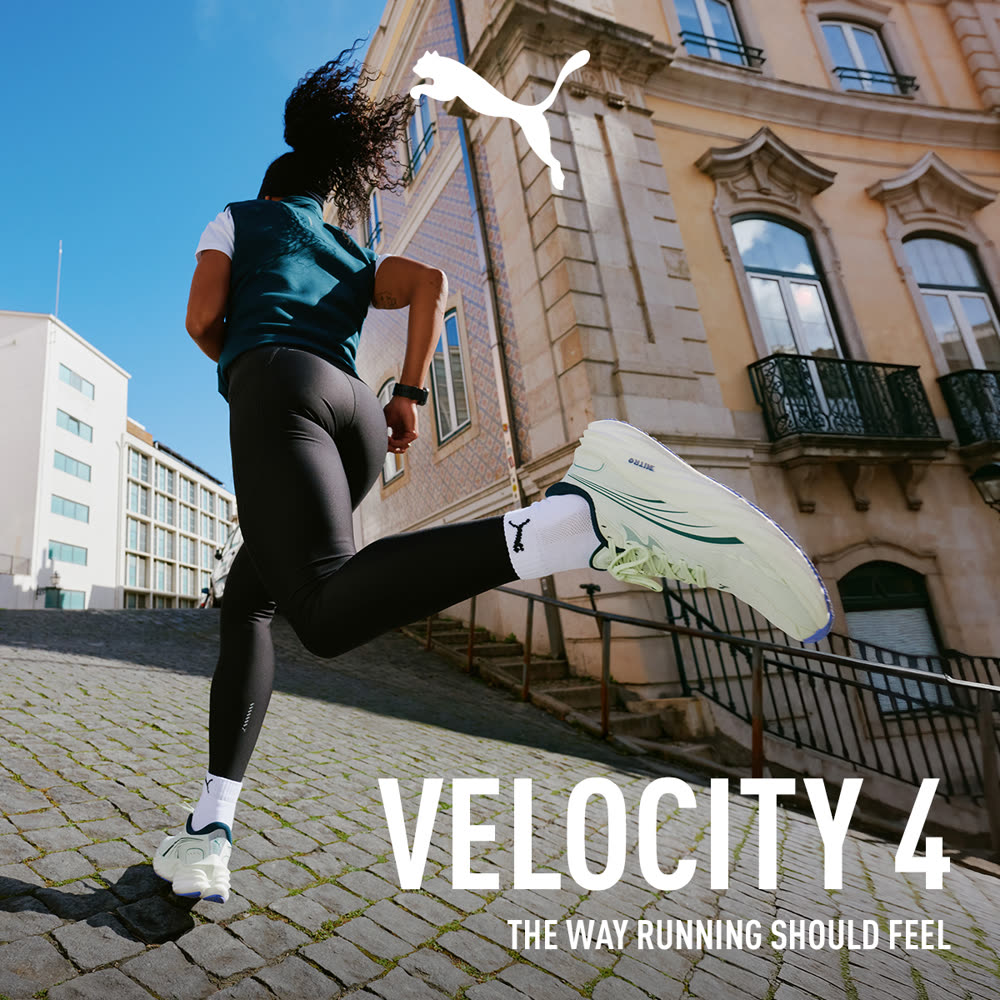
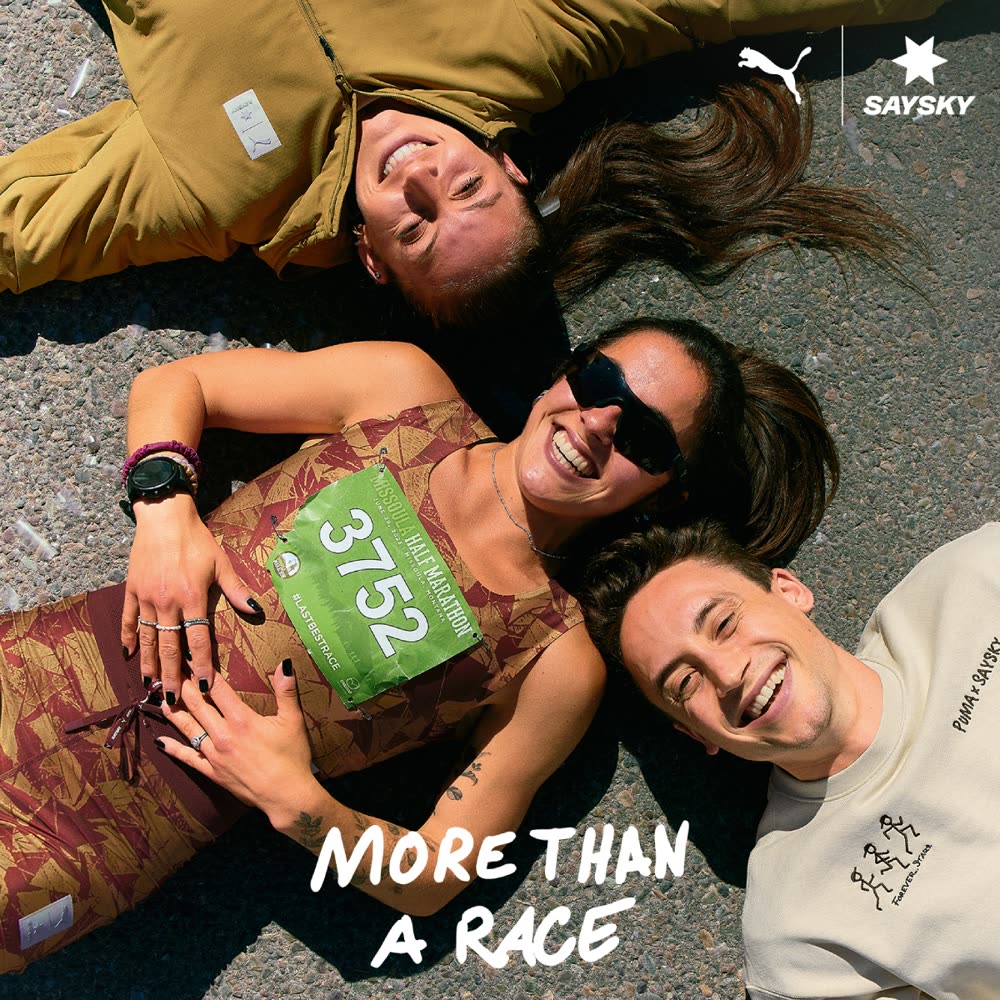
Two examples from a global sportswear campaign, localised for Hong Kong.

What changes for the team
The practical effect is that localisation stops being a production problem and becomes a review problem. Instead of coordinating shoots, your regional teams review and approve. The centre keeps brand control; the markets keep cultural judgement. Timelines compress from months to weeks, and adding a thirteenth market is an increment, not a new project.
It also changes what you can afford to localise. When adaptation is this cheap relative to a reshoot, the long tail of assets — CRM banners, in-store screens, social cutdowns — gets localised too, instead of running in English everywhere except the hero film.
When this approach fits — and when it doesn't
It fits when you have strong source creative, clear brand guidelines, and markets that deserve more than subtitles. It's strongest for product-led categories — automotive, consumer electronics, FMCG, beauty — where the product must stay exact while everything around it adapts.
It's the wrong tool when the campaign concept itself doesn't travel (no production technique fixes a culturally wrong idea), or when a market demands creative developed from local insight rather than adapted from global. Localisation scales a good idea; it doesn't replace local strategy.
The teams getting the most from this treat it as a workflow they run every campaign through, not a one-off experiment. The second campaign through the system is faster than the first; the fifth is routine.
This is the workflow behind our localisation service. The Inchcape case shows it on a car launch, with the vehicle locked and the market changing around it.