
One brief, five image models
A new image model lands every few weeks. The two newest are Seedream 5.0 Pro and Nano 2 Lite, and both put the same question back on the table: which model should run your brief?
That call is ours to make. We test each new model the week it ships and route every job to whichever one wins it, inside the brand rules already in your workflow. What reaches you is on-brand output that quietly improves as the field moves. The churn stays our problem, not yours.
So when these two arrived, we did what we do with every release: ran one fixed brief through the whole field and looked hard at what came back.
Same brief, five engines
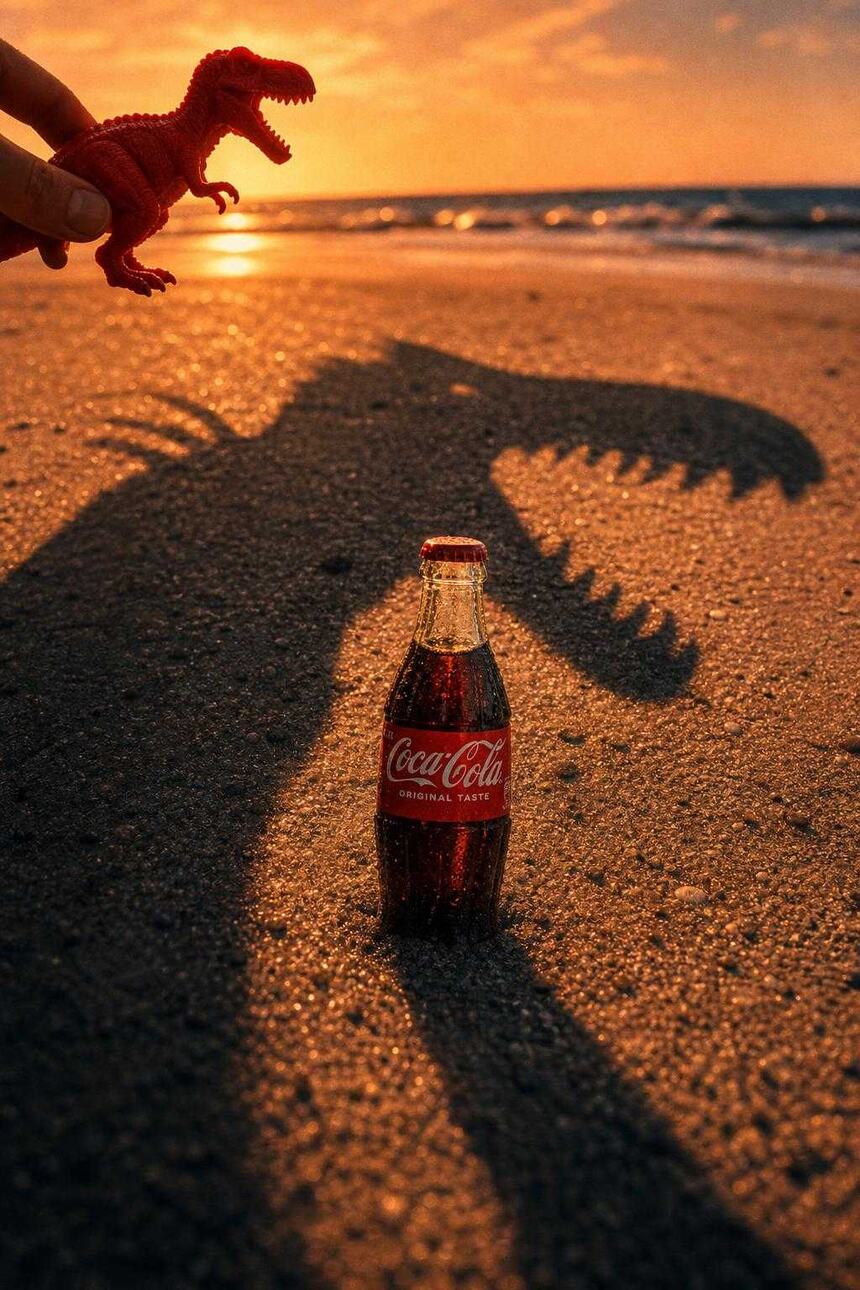
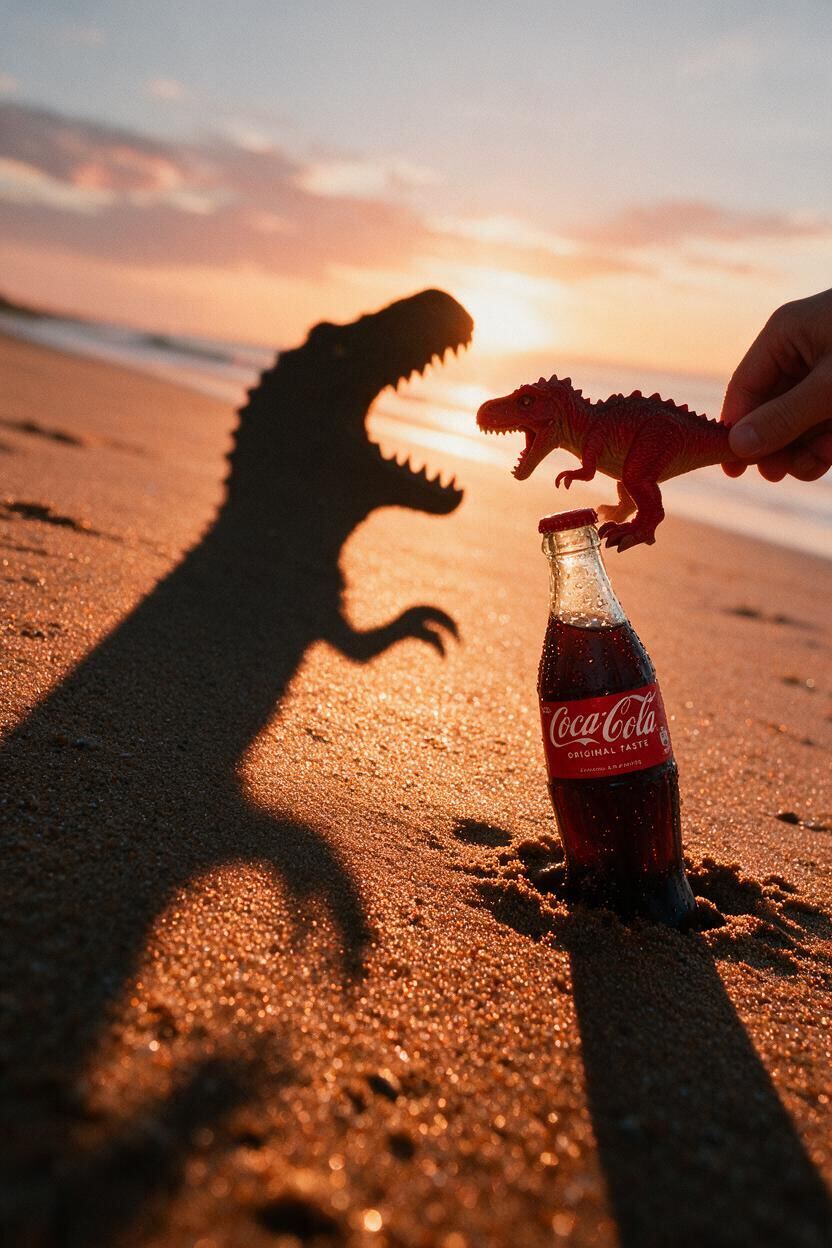
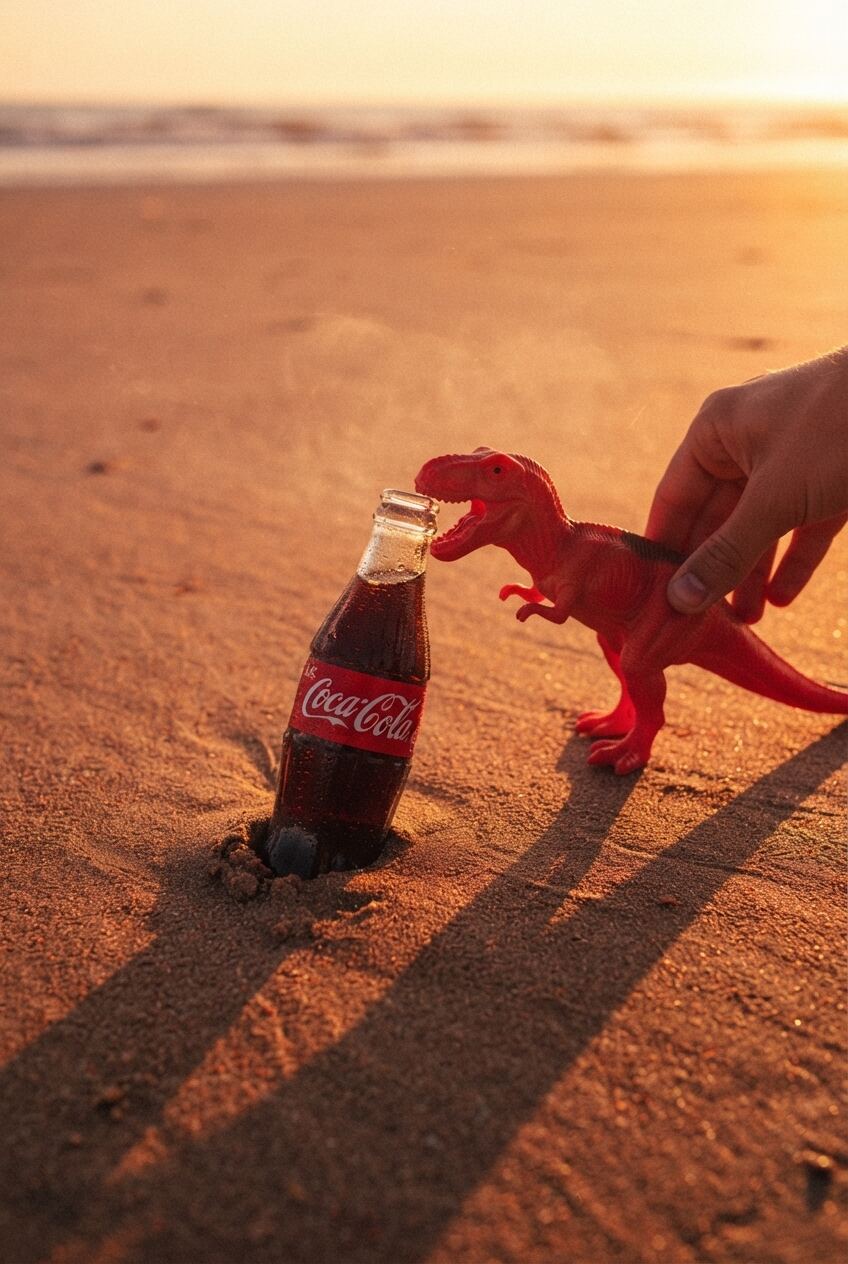
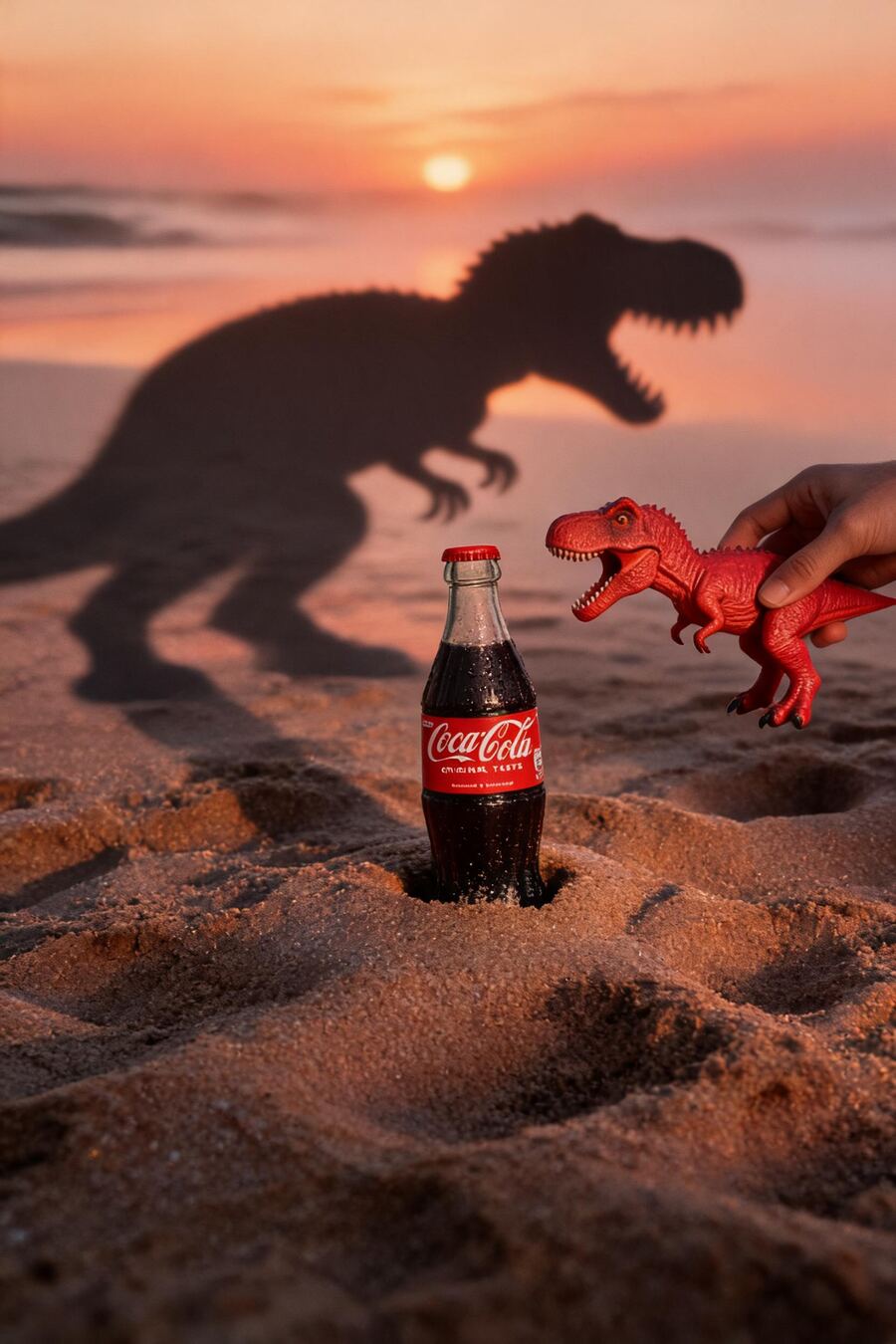
We keep the test deliberately awkward. An easy prompt makes every model look good, so we use one that doesn't. This brief wanted a low, wide-angle beach shot at golden hour: a chilled glass bottle half-buried in wet sand, a hand holding a cheap plastic toy dinosaur, its shadow thrown across the sand so the open jaws line up right on the cap. Composition, the physics of a small thing casting a big shadow, a product that still has to read as real, all at once. Then the same prompt goes to every model, untouched.
| Model | Avg. speed | Relative cost | Best for |
|---|---|---|---|
| Nano 2 Lite | ~10s | Low | Rapid ideation and high-volume variants |
| Nano 2 | ~24s | Highest | A balanced all-rounder |
| GPT Image 2 | ~63s | High | Complex, multi-element prompts (best adherence) |
| Seedream 5.0 Lite | ~125s | Lowest | Quality stills on a budget |
| Seedream 5.0 Pro | ~154s | Low | Polished hero frames (best visual finish) |
What we found
Caveat first: this was a handful of prompts, not a benchmark, so take what follows as a rough steer. The renders below are AI test images made on our platform; the brand shown is illustrative, not a client or endorsement.
Here's how each one did.
Best at following the brief
GPT Image 2 followed the brief most closely. It got the action, the spatial relationships, the shadow-jaws landing on the cap. Give it a busier scene (two figures mid-action, props, one thing knocking into another) and it still kept every element where it belonged, while the others let a detail slide.
The best-looking of the five
Seedream 5.0 Pro gave the richest light and materials: wet sand, condensation on the glass, that low golden-hour glow. On a scene like this it comes back looking the most finished, the closest to something you'd actually run. Push it somewhere busy and invented and it'll occasionally smooth a detail away, but for a hero frame it's the one to beat.
Fastest by a mile
Nano 2 Lite turns a frame around in about ten seconds. At that pace you try twenty directions before lunch instead of three, which is the difference between real exploration and picking off a shortlist. It's cheap per frame too, so it's the one you lean on when volume is the point. The finish isn't quite Seedream's, but for ideation and variants that rarely matters.
The value pick for the Seedream look
Seedream 5.0 Lite lands close to Pro: the same rich light, clean materials and convincing scene, at the lowest cost per frame of the five. If you want the Seedream aesthetic without paying for Pro, this is the one to reach for.
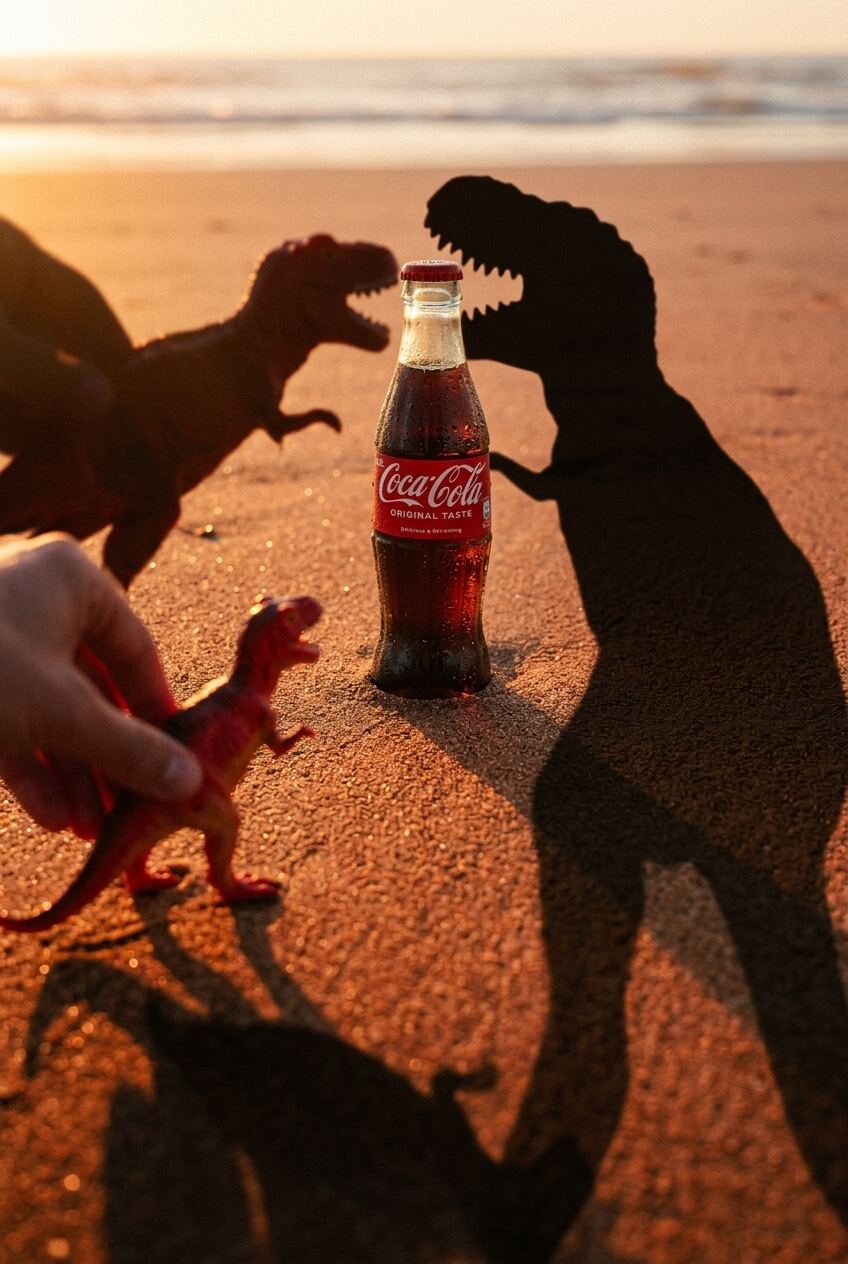
The balanced pick
Nano 2 lands in the middle on nearly everything: decent adherence, decent finish, a reasonable turnaround. It's the safe default when you'd rather not think too hard about which engine to reach for. The one knock is cost, where it sits at the top of this group, so it earns its keep as a dependable all-rounder rather than the value option.
No model wins every brief
Chase a single winner and you miss how this works. There's no best image model, only the best one for the shot in front of you, at the quality you need, by the deadline you're under. A hero frame for a launch and two hundred throwaway variants for a paid-social test aren't the same job, and they don't want the same engine. One can't afford to drop a detail. The other only has to look good and land in seconds.
This is what Creative Workflows are for. Each job goes to the model that suits it, your brand rules (colour, product accuracy, tone, approved claims) hold across all of them, and a new model gets swapped in the week it proves itself. Those rules are enforced as the image is generated, not caught afterwards in review. And because the workflow reaches every leading engine, you're never capped by one model's weak spots.
More options, none of them your problem
Whether we run production for you or your team works in the platform directly, that model choice sits inside the workflow, not on your desk. You describe the outcome you want. The platform works out which engine gets there. So when the next Seedream or Nano lands, you don't have to test it, price it or wire it in. It shows up as one more option the workflow can reach for, already bound by your brand rules, and the brief you wrote last month starts coming back a little better than it did.